


06 Feb Visual Verification with Alarm.com Cameras
When most homeowners think about security cameras, they usually focus on visible specs like resolution, storage capacity, or whether they can view video on their phone. While those features are easy to compare, they don’t determine how effective a security system will be during a real alarm event. Real security isn’t just about capturing video; it’s about using video intelligently when something goes wrong.
This is where Alarm.com’s approach stands apart. Alarm.com cameras are designed so video isn’t just recorded for later review, but actively used during alarm events to help confirm what’s happening in real time. This process, known as visual verification, allows monitoring centers to make faster, more informed decisions when seconds matter.
What Is Visual Verification?
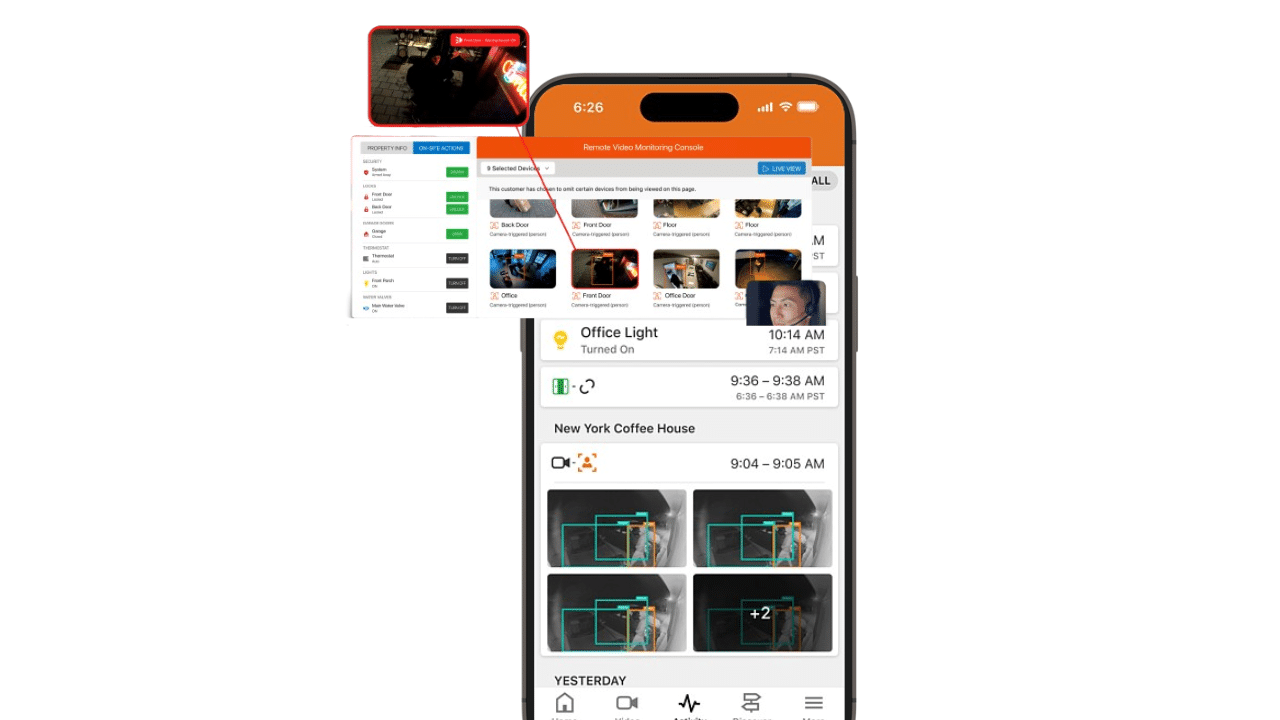
Visual verification is the process of using video clips or images from security cameras to confirm whether an alarm event is a genuine threat before dispatching authorities. It transforms raw video into actionable information, allowing monitoring professionals and homeowners to make better decisions in real time.
Unlike traditional security systems that simply trigger a siren or send an alert, visual verification provides context. For example:
- A motion sensor triggers an alert, but the video shows a delivery driver picking up a package — no response needed.
- A door opening triggers a notification, and video confirms an intruder is present — authorities are dispatched immediately.
Benefits of visual verification:
- Reduces false alarms and unnecessary emergency responses
- Ensures faster verification and prioritized response for real threats
- Provides clear evidence for law enforcement if an incident occurs
Visual verification turns your security system from a reactive tool into a proactive solution.
Why Camera Quality Matters for Visual Verification
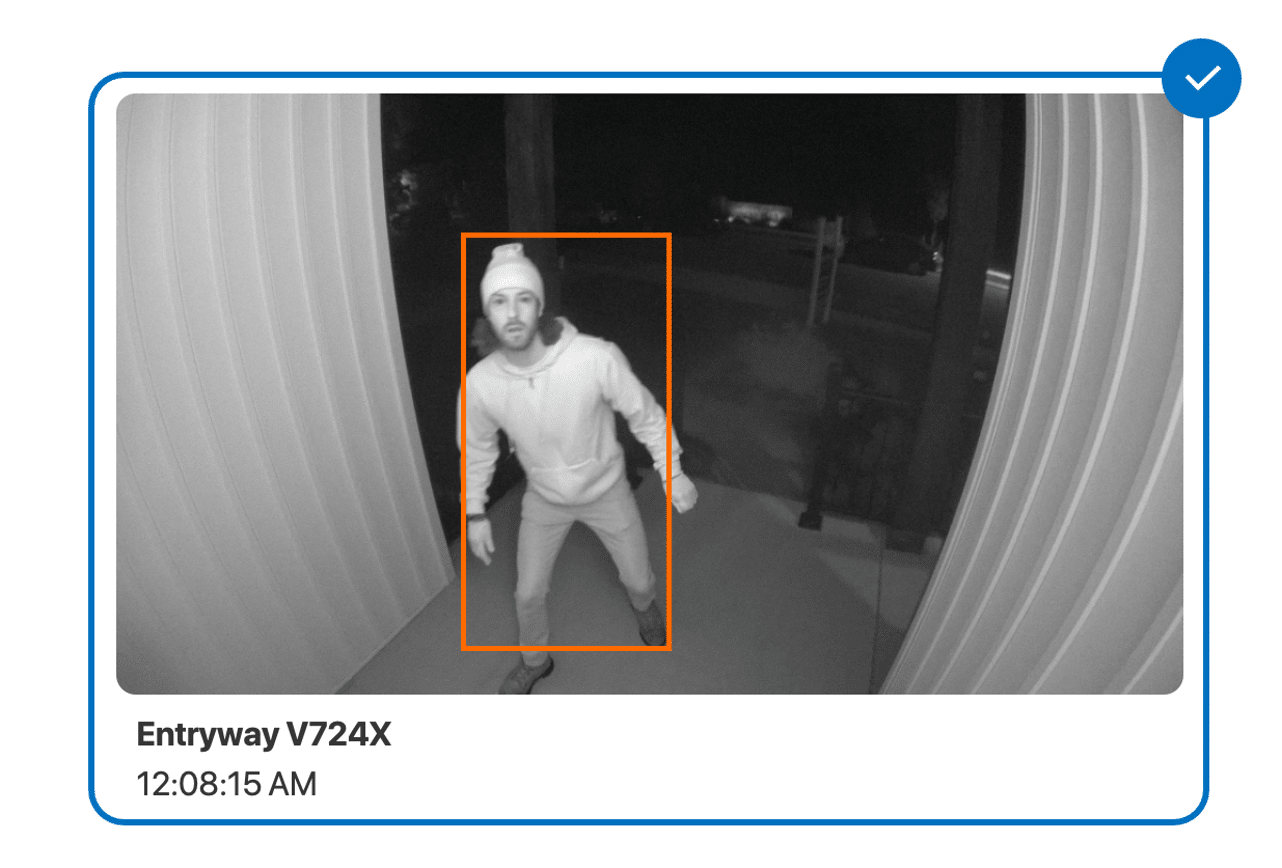
Not all cameras provide effective visual verification. The clarity, angle, and analytics support of Alarm.com cameras determine whether your monitoring team can make fast, accurate decisions during an alarm event.
Factors that impact verification effectiveness:
- Resolution and frame rate: Higher resolution ensures faces and actions are recognizable; higher frame rate captures movement smoothly.
- Lens type and field of view: Correct field of view ensures coverage without missing critical details.
- Night vision and low-light performance: Cameras must provide usable video in varying light conditions.
- Analytics support: Alarm.com cameras can differentiate humans, animals, and objects, reducing irrelevant alerts.
Using cameras that support these features ensures visual verification works effectively every time.
Doorbell Cameras: The Front-Line Verification Tool
Doorbell cameras are highly effective for visual verification because they capture critical activity at the home’s main entry point. These cameras provide high-quality video and real-time notifications, helping homeowners and monitoring centers respond immediately to potential threats.
Best use cases:
- Verifying visitors before granting access
- Detecting package theft or suspicious delivery activity
- Identifying unauthorized individuals approaching the home
Doorbell cameras turn initial alerts into confirmed visual evidence, giving homeowners and monitoring centers the context needed to respond appropriately.
Indoor Cameras: Verifying Interior Movement
Indoor cameras provide real-time insights into activity inside the home, which is crucial when a motion detector or door sensor is triggered. They help distinguish between normal activity and potential threats.
Best use cases:
- Detecting unauthorized entry when the home is empty
- Monitoring children, family members, or pets
- Ensuring assets and valuables are secure
Indoor cameras help ensure every interior movement is contextualized, reducing false alarms and enabling a faster response.
Outdoor Cameras: Perimeter Awareness and Early Verification
Outdoor cameras extend visual verification to the home’s perimeter, providing early insights into potential threats before they reach the property. These cameras act as a first line of defense, capturing activity around the exterior of the home.
Best use cases:
- Monitoring driveway and street approaches
- Watching back or side entrances
- Securing outdoor structures and property boundaries
Outdoor cameras allow for proactive response and prevention, a critical part of effective visual verification.
The Role of Video Analytics in Verification
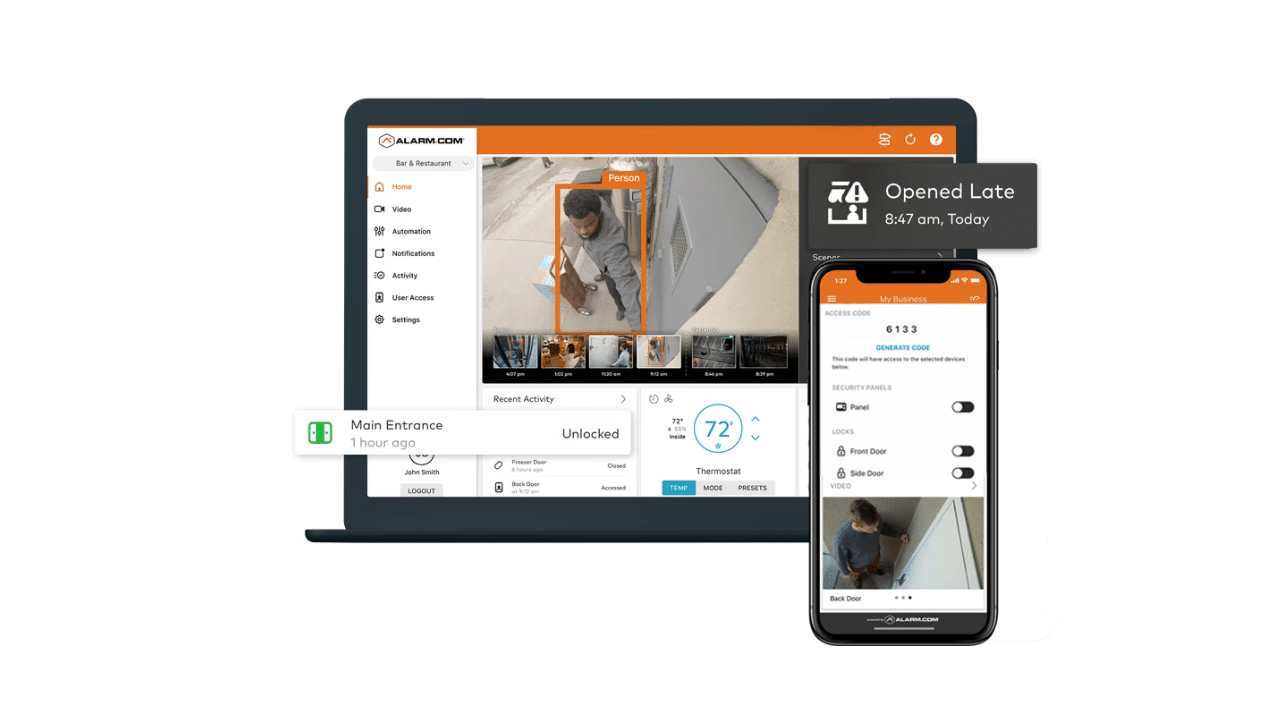
Video analytics make visual verification effective by enabling Alarm.com cameras to identify, classify, and prioritize events automatically. This ensures monitoring centers and homeowners focus on the events that truly matter.
Capabilities of video analytics:
- Object differentiation: Separates people, vehicles, pets, and other objects
- Motion filtering: Ignores irrelevant movement to reduce false alarms
- Activity zones: Monitors specific areas for targeted alerts
- Event tagging: Links detected activity directly to an alarm or sensor event
Video analytics turn camera feeds into intelligent, decision-ready security tools, allowing your Alarm.com system to work smarter rather than harder.
Real Security Is About Effective Visual Verification
Adding more cameras doesn’t automatically make a home safer. Using Alarm.com cameras for effective visual verification — combined with strategic placement and analytics — is what turns video into real security. If you want to ensure your current system supports effective visual verification, Zions Security Alarms can help design an Alarm.com solution built for verified response and real protection.
Contact Us Zions Security Alarms today to learn more.
No Comments