

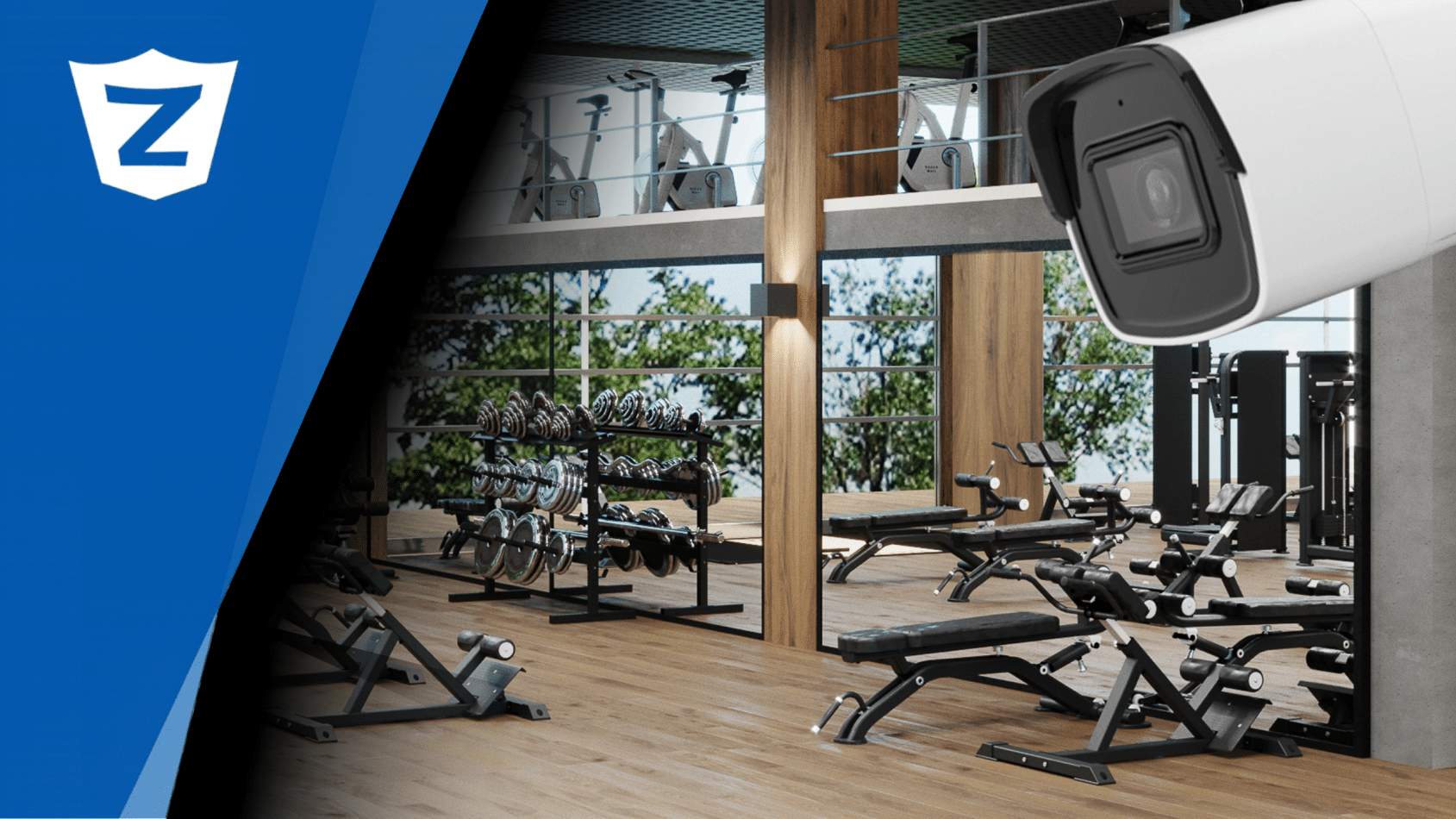
09 Mar Gym and Fitness Center Security: Member Safety and Operations
For gym owners and managers, security is about more than preventing theft. A well-designed security system helps protect members, document incidents, manage access, and create a safe, professional environment that keeps people coming back.
Below are some of the most important security considerations for modern gyms and fitness facilities.
1. Managing 24-Hour Access Safely
Many gyms offer round-the-clock access as a major selling point. But when staff aren’t present overnight, access control becomes essential.
Modern gym security systems allow you to control who enters your facility and when. Members can be issued key fobs, mobile credentials, or card access that automatically verifies their membership status before allowing entry. These systems can also track entry logs, so you always know who was in the facility and at what time.
Additional safeguards for 24-hour gyms include:
- Turnstiles or controlled entry doors to prevent tailgating
- Automated membership verification tied to your gym management software
- Real-time alerts if someone attempts unauthorized access
- Remote monitoring during unstaffed hours
With the right access control system in place, gyms can offer 24-hour convenience without sacrificing security.
2. Monitoring Workout Areas Without Invading Privacy
Video surveillance is one of the most effective ways to improve safety and reduce incidents in a gym. Security cameras placed on the gym floor and in high-traffic areas help deter theft, monitor equipment use, and provide documentation if accidents or allegations occur.
Cameras are typically installed in locations such as:
- Entrances and exits
- Reception areas
- Hallways and corridors
- Free-weight and cardio zones
- Equipment storage areas
However, privacy must always be respected. Cameras should never be installed inside locker rooms, restrooms, or changing areas, where individuals have a reasonable expectation of privacy.
Instead, cameras can be placed near locker room entrances to monitor activity and deter theft while maintaining member privacy.
3. Protecting Locker Rooms and Personal Belongings
Locker rooms are one of the most common locations for theft in gyms.
Because cameras are not permitted inside these private areas, security must rely on other methods such as:
- Monitoring entrances and exits to locker rooms
- Encouraging the use of secure locks or digital lockers
- Installing access-controlled locker areas for members only
- Using signage to communicate facility rules and security policies
Some 24-hour gyms even restrict locker room access during certain overnight hours to reduce risk when staff are not present.
These measures help reduce theft while ensuring that members still have a comfortable, private space to change and store their belongings.
4. Improving Parking Lot and Exterior Safety
The parking lot is both the first and last place customers interact with your facility. Poor lighting or lack of surveillance can make these areas feel unsafe—especially during early morning or late-night workouts.
Outdoor security solutions should include:
- High-resolution cameras covering parking areas and entrances
- Motion-activated lighting
- License plate recognition in larger facilities
- Emergency call buttons or panic alarms
Monitoring exterior areas helps deter vandalism, vehicle break-ins, and suspicious activity while giving members peace of mind when arriving or leaving the gym.
5. Preventing Equipment Theft and Misuse
Commercial gym equipment represents a significant investment. Even smaller facilities can easily have hundreds of thousands of dollars in machines, weights, and electronics out on the floor.
Strategically placed cameras can monitor:
- Free-weight areas
- Equipment storage racks
- Specialized training rooms
- Staff-only storage areas
Surveillance in these zones discourages theft and provides evidence if equipment is damaged or removed without authorization. Cameras can also help staff identify unsafe behavior or misuse of machines before it results in injury.
6. Documenting Accidents and Liability Claims
In a physical activity environment, injuries and accidents occasionally occur. Whether it’s a slip on a wet floor or an equipment malfunction, documentation is critical.
Security systems help gyms:
- Review footage to understand how an incident occurred
- Provide evidence for insurance claims
- Protect against fraudulent injury claims
- Improve safety policies and procedures
Clear video documentation can quickly resolve disputes and help facility owners make informed decisions about safety improvements.
7. Monitoring Trainer and Client Interactions
Personal training is a major revenue source for many gyms, but it also creates situations where members and staff interact one-on-one.
Strategic camera placement in public training areas can:
- Help verify that trainers are following proper safety procedures
- Provide documentation if a dispute arises
- Improve professional accountability
- Protect both trainers and clients
This visibility helps create a professional, transparent environment that benefits everyone involved.
8. Securing Childcare and Kids’ Areas
Many family-focused gyms offer childcare services so parents can work out while their children are supervised. Because these areas involve minors, they require especially careful security planning.
Best practices include:
- Cameras covering entrances, exits, and play areas
- Controlled check-in and check-out procedures
- Staff access restrictions to childcare rooms
- Secure parent identification during pickup
Monitoring childcare areas helps ensure children remain safe and properly supervised while giving parents confidence in your facility.
Creating a Safer Fitness Environment
A comprehensive gym security system does more than prevent theft—it improves operations, protects members, and reduces liability.
By combining access control, strategically placed surveillance cameras, and smart monitoring systems, fitness facility owners can create a safer environment for members, staff, and guests alike.
If you operate a gym or fitness center and want to improve safety, contact Zions Security today. We’ll help you design a system tailored to your specific facility’s layout, hours, and member needs.
No Comments